
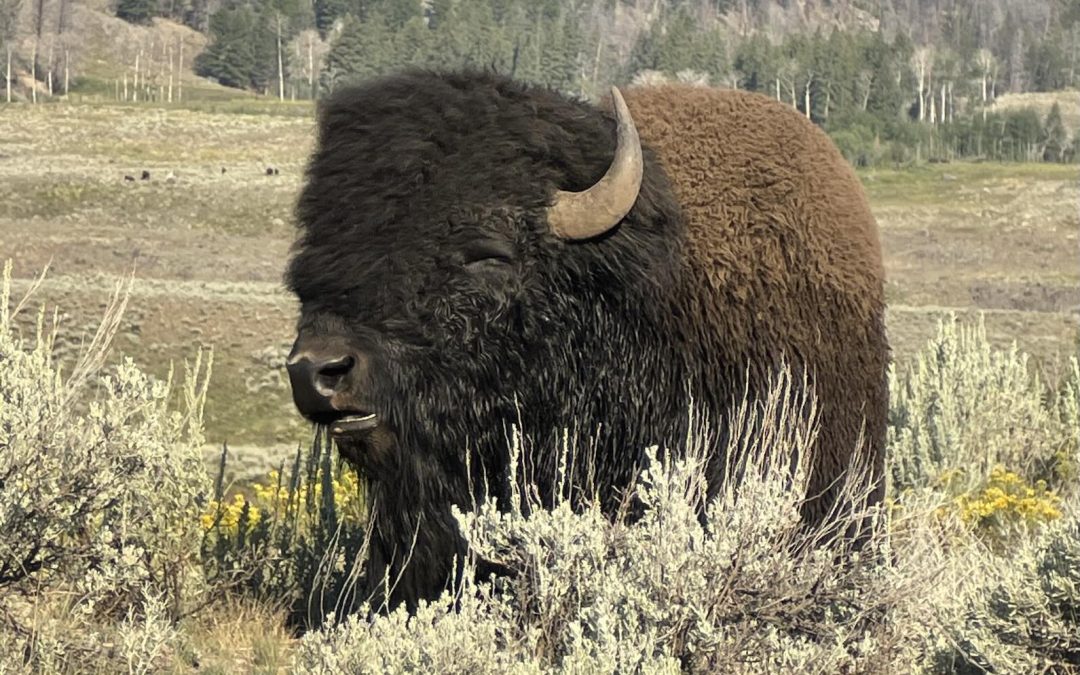
One of the most common questions I hear is, “When is the best time of year to visit Yellowstone?”
My honest answer is simple: the best time to visit Yellowstone National Park is whenever you can come. Yellowstone is one of those rare places that offers something meaningful in every season. The geysers and hot springs, canyon, waterfalls, rivers, mountains, and scenic valleys are always here. What changes from season to season is the rhythm of the wildlife, the look of the landscape, the road access, and the overall pace of your experience. Yellowstone’s visiting seasons differ quite a bit in access, services, and crowd levels, with summer being the busiest and winter the most restricted for normal vehicle travel.
So, the better question may be: What do you most want to experience in Yellowstone?
If bears are high on your list, for example, January would not be my first recommendation. If you want wolves against a snowy backdrop and fewer people, winter is excellent. If you want long days, mild weather, open roads, family travel, and classic sightseeing, summer makes a lot of sense. Yellowstone grants rewards for every season, but each season tells a different story. Yellowstone is one of the world’s greatest wildlife areas and has a spectacular landscape, but nature is dynamic and changes with the seasons, so timing your visit around your priorities can make a difference.
How Many Days Do You Need in Yellowstone?
If you can give Yellowstone five days, that is ideal. That gives you time not only to drive the park roads and visit the famous features, but also to slow down a little. You can take a short hike, watch a valley at first light, linger at a thermal basin, or sit out for an evening wildlife opportunity without feeling like you have to rush to the next stop.
If five days is not possible, I recommend at least three days in Yellowstone. That is about the minimum needed to drive the main road system, see the best-known features, and still have a little room for wildlife viewing. Yellowstone is not a place that improves when you hurry. Like anything of value, the more time you invest, the more you receive. Being in Yellowstone is a gift to be cherished, so give it the most you can.
Visit Yellowstone in Spring
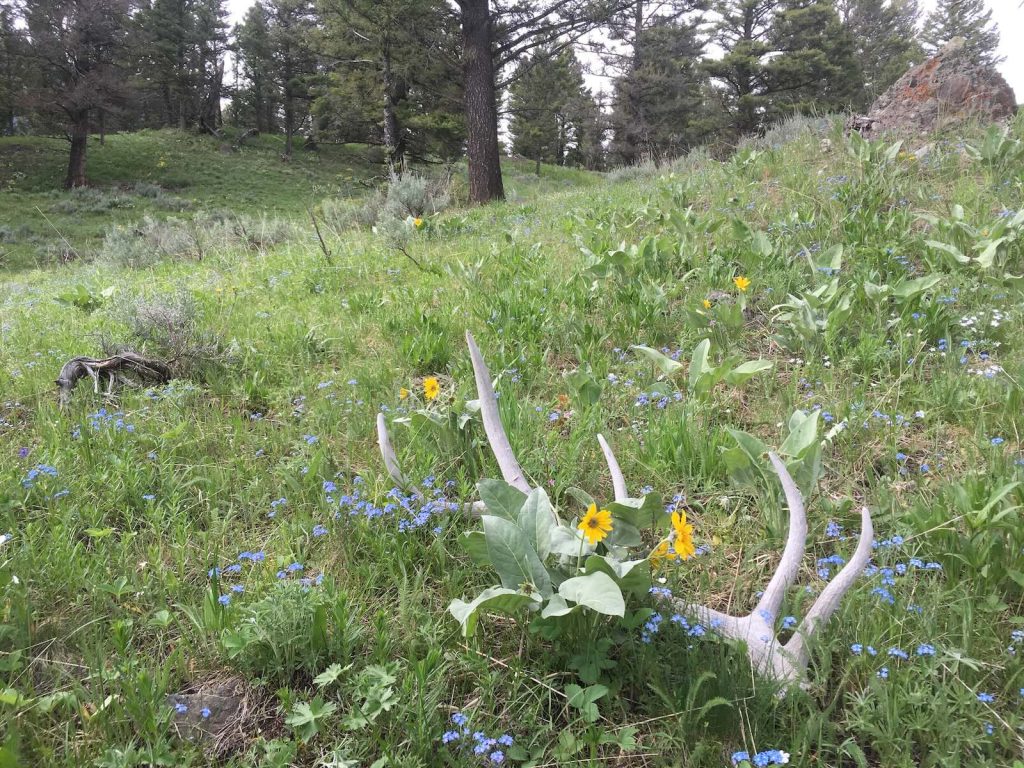
For many wildlife watchers, spring is one of the best times to visit Yellowstone. If your dream is to see bears and wolves on the same trip, this is likely the best season to consider. Bears are out and active, wolves will be predictably focused on den sites, migrating birds return, bison calves begin appearing on the landscape, and early wildflowers start to brighten the valleys. Spring is also a time when animals are highly engaged in seasonal movement and family life, which can make each day feel dynamic and full of possibilities. Both black and grizzly bears are often found in spring in predictable habitats, and Yellowstone’s spring season is often associated with baby animals, birds, and emerging wildflowers.
Spring in Yellowstone is also a season of contrast. One morning can feel soft and warm, and the next can bring snow and wind. So be prepared for changeable weather. But if you are properly dressed and warm and dry, spring is spectacular for wildlife.
Visit Yellowstone in Summer
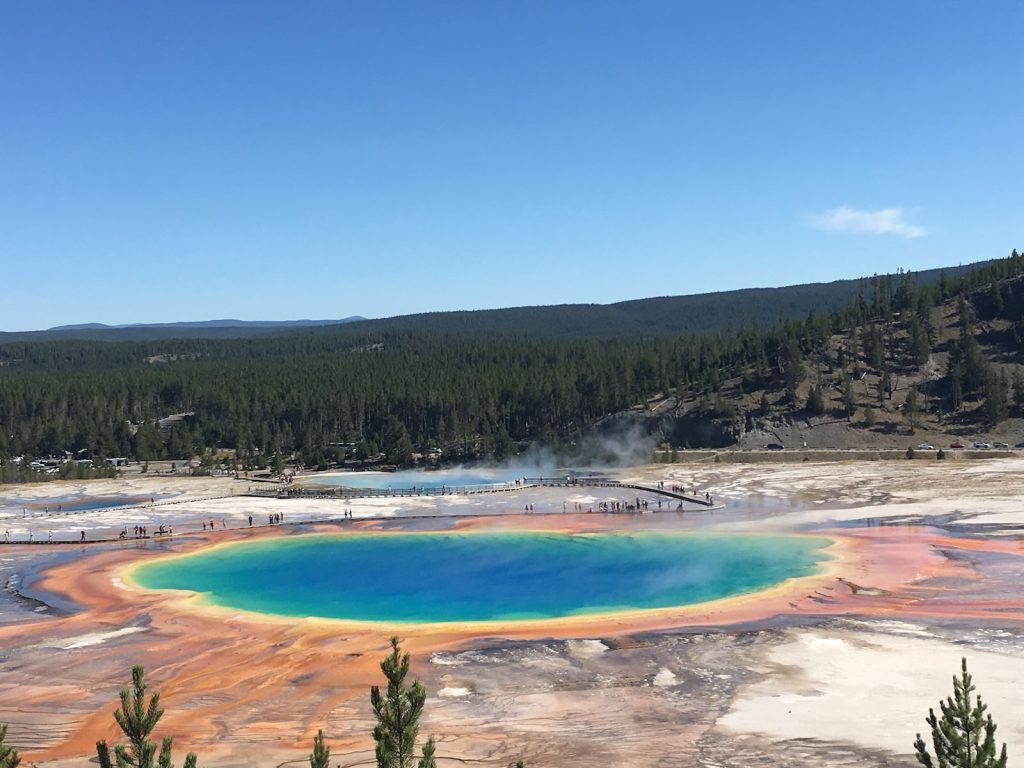
Summer is the most popular time to visit Yellowstone, and for good reason. More roads, services, lodging, and visitor facilities are open, the weather is generally friendlier, and families can more easily plan vacations around school schedules. It is the classic season for a Yellowstone road trip. The tradeoff, of course, is that summer is also the busiest season in the park.
That said, summer is still a wonderful time to be here. Wildlife is still very much part of the experience, but animals are often more widely distributed across the landscape rather than concentrated near roads, as they can be during colder months. The valleys are green, the wildflowers are beautiful, the bison are spread across the park, and young animals are part of the scene. It is also an excellent season for people who want a fuller mix of wildlife, scenic touring, short walks, geothermal features, and family-friendly travel. If summer is when you can come, come. Just start each day early, be patient in traffic, and allow extra time everywhere.
Here is a major tip: always pack a picnic lunch. It will allow the greatest flexibility and save a tremendous amount of time.
Yellowstone’s peak season brings the widest access, but also the most visitation.
Visit Yellowstone in the fall
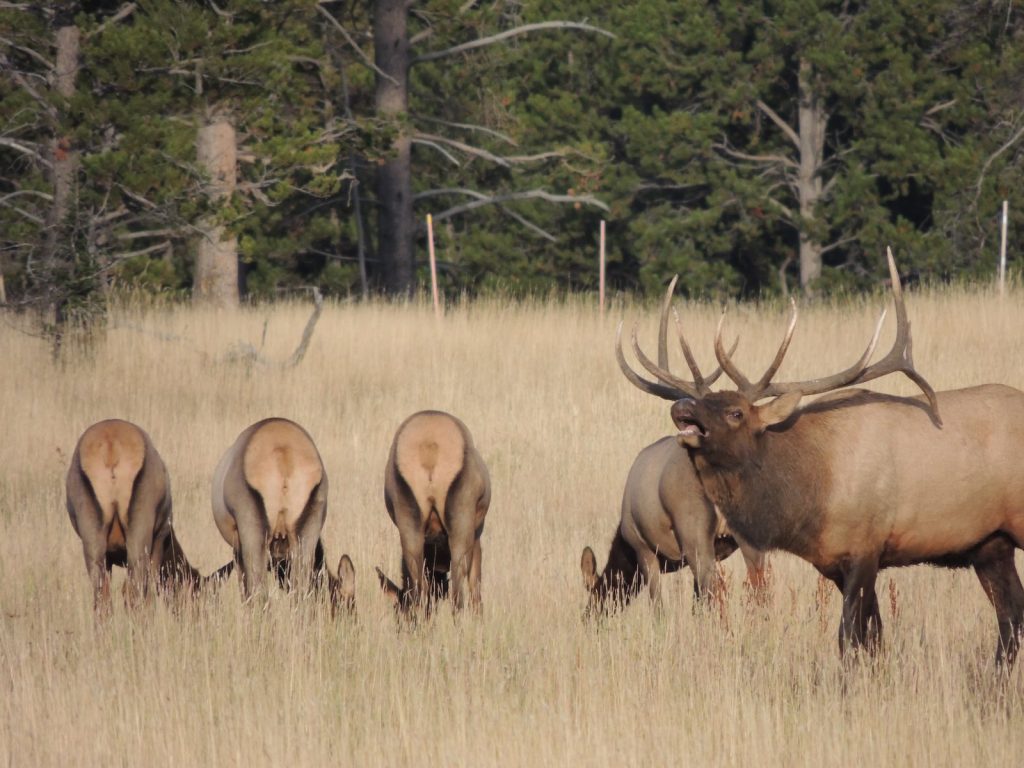
Fall in Yellowstone is a season of color, cooler air, changing light, and fewer people. The leaves of Aspen, cottonwood, willow, and other vegetation begin to shift and change, and these added hues give the landscape beautiful texture and definition. It is also a time beyond the main summer rush, so the park is quieter and more spacious
In relation to wildlife, fall is the breeding season for elk. Big bulls (males) will be vocalizing, herding with the cows (females), and extremely active. To see and hear a mature bull elk “bugle” and display towards cows and other bulls is an experience of a lifetime. Major Tip: Keep your distance from these guys. Being too close can be hazardous
Late September and early October can be a photographer’s dream. You will have fewer insects, fewer people, and richer colors. You also need to be ready for the weather. In Yellowstone, fall can turn wintry in a hurry.
Visit Yellowstone in Winter
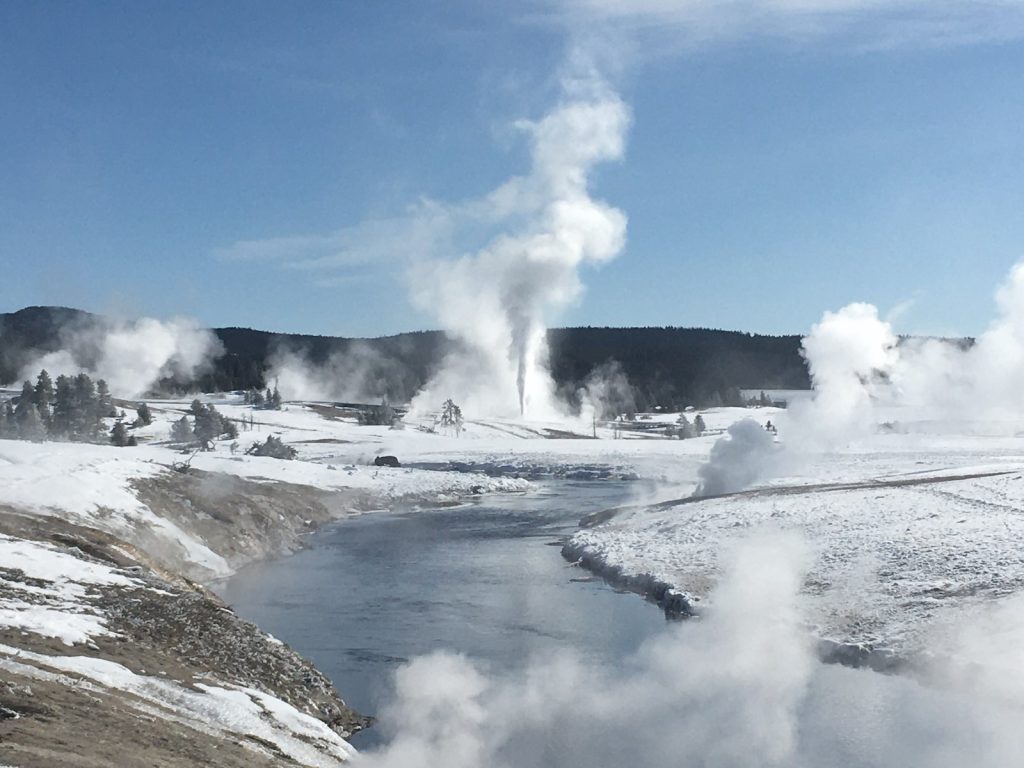
If you want to see Yellowstone in its most elemental form, winter is unforgettable. I think of winter as big animals on big landscapes. Snow simplifies the country, and suddenly the shape of the land becomes even more dramatic. Wildlife can stand out beautifully against open white ground, especially on the Yellowstone’s Northern Range. Winter is an excellent time to see concentrations of bison, elk, mule deer, and bighorn sheep in accessible lower-elevation country. Winter is definitely the best time for viewing wolves. Keep in mind, most park roads are closed to regular vehicles except the road between the North and Northeast entrances. Winter is quieter and far less crowded, but it takes more planning. Travel is more limited, conditions are colder, and access to the interior of the park is different than in the main season. That slower pace is part of the appeal. If you are prepared for it, winter can offer some of the most memorable wildlife viewing and some of the most dramatic scenery of the year.
So, When Should You Come?
If your top priority is bears, think spring into early summer.
If your top priority is wolves, winter is excellent, with spring also offering very strong opportunities.
If you want the most complete access to park roads and classic sightseeing, summer is the easiest season.
If you want rut activity, fall color, cooler temperatures, and somewhat fewer people, look hard at late September and early October.
If you want snow, atmosphere, quiet, and dramatic wildlife viewing, winter is special.
The main thing I would tell anyone is this: do not wait for the mythical “perfect” time. Yellowstone is always changing, always active, and always capable of surprising you. The best season is the one that matches your interests, your travel window, and the kind of experience you want.
And whenever you come, give yourself enough time to do more than check boxes. Yellowstone is not just a list of famous stops. It is a living landscape. The longer you stay, the more it gives back.